


 is training in Bengaluru for the first time, just for you.


Rupal Sheth trained at in Auroville. She founded Uruvanā after over a decade as a holistic wellness practitioner, having spent years travelling to do work she could not do in her own city.
Your details are recorded the moment you submit, before any payment is taken. Open the booking details to see what is included and what it costs, then continue to a secure checkout.
 certificate of participation
Payment is taken through a secure checkout. Cards, UPI, net banking and wallets are all accepted. Confirmation follows by email and on WhatsApp.
2nd floor, No. 21, 17th F Cross Road, Stage 2
Hoysala Nagar, Indiranagar, Bengaluru 560008
· Open in Maps
2nd floor, No. 21, 17th F Cross Road, Stage 2
Hoysala Nagar, Indiranagar, Bengaluru 560008
· Open in Maps
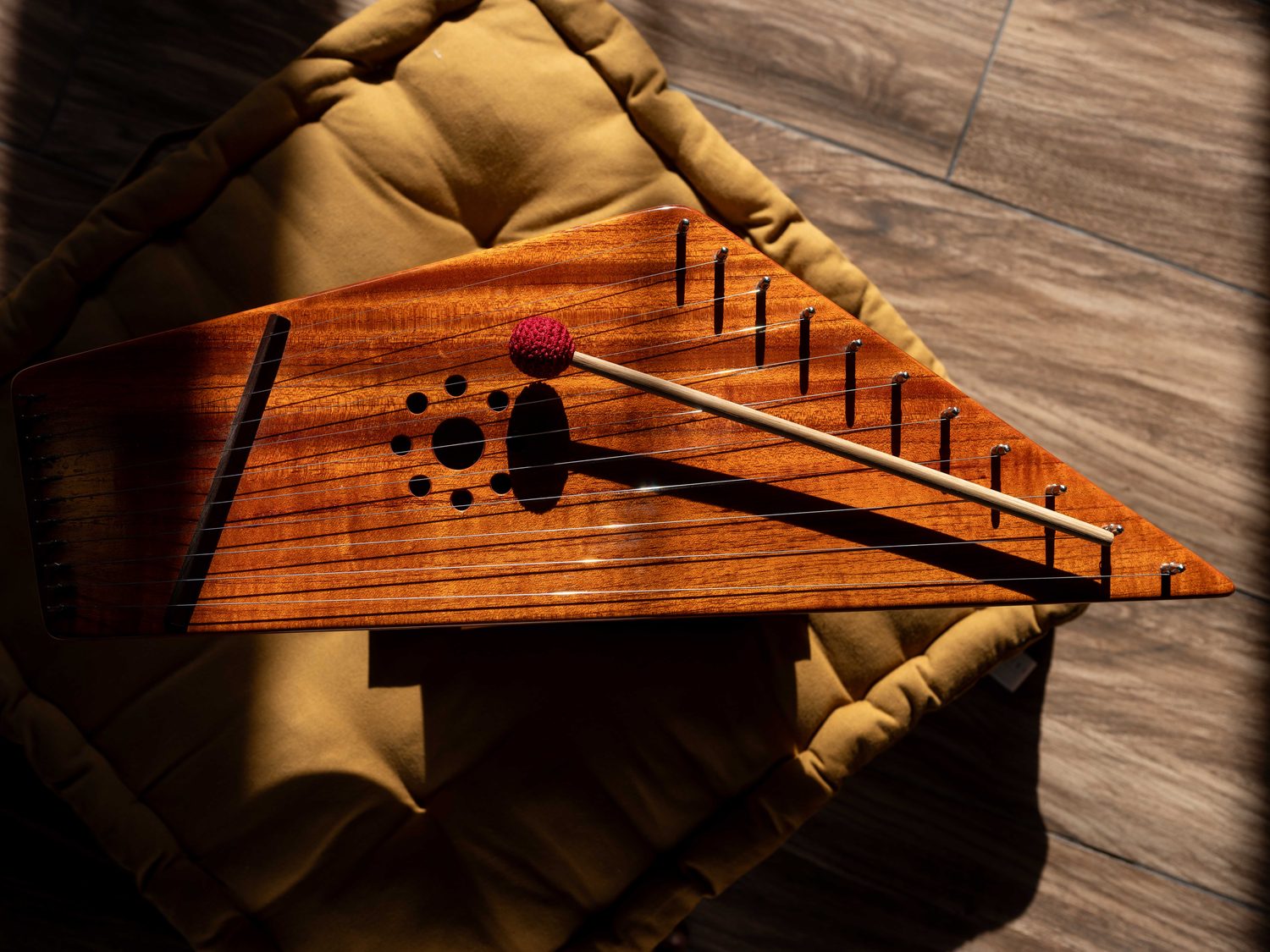
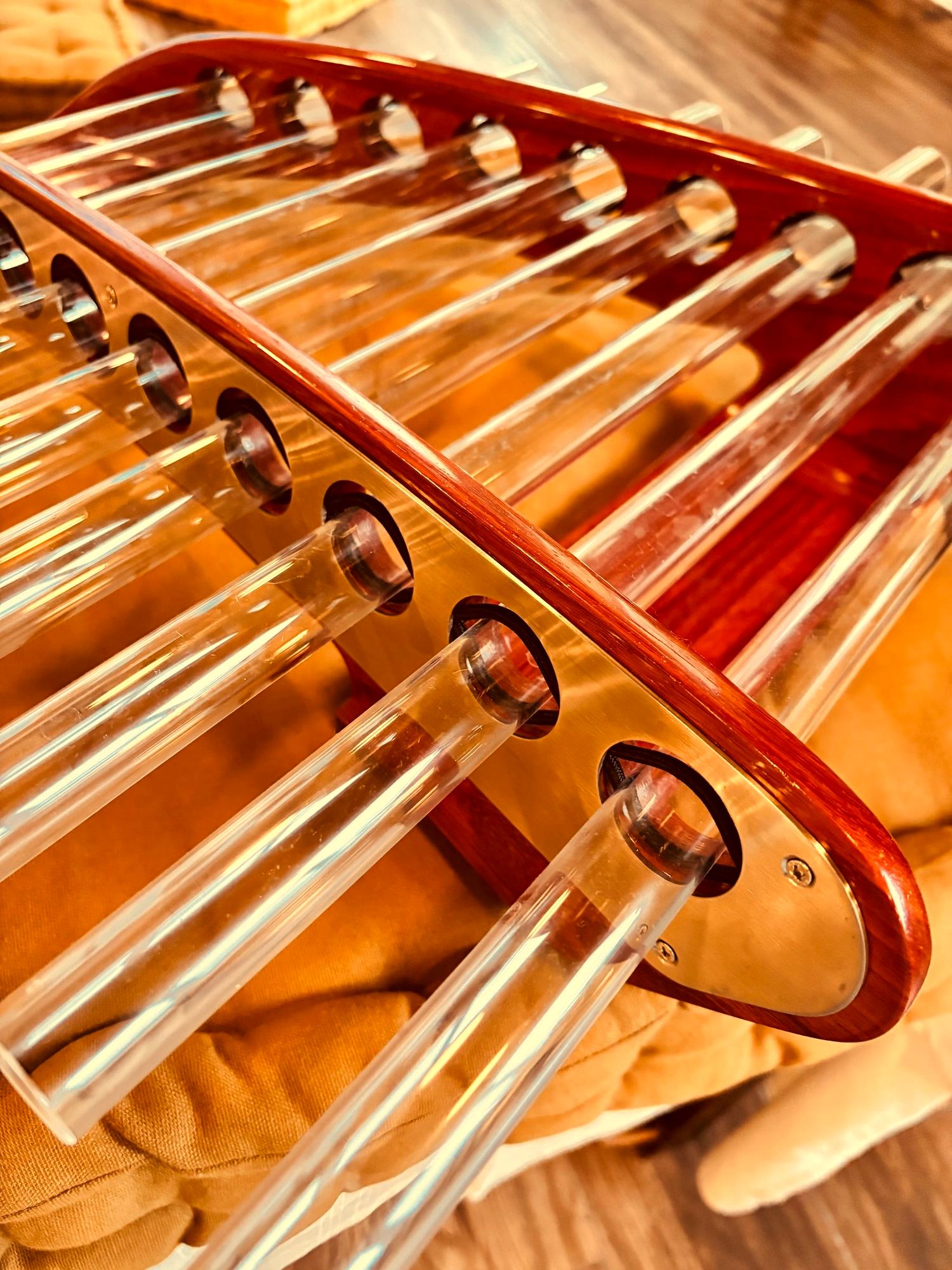
Svaram is a sound-instrument workshop and research centre in Auroville, Tamil Nadu, founded in 2003. They design and build sound-healing instruments — chimes, monochords, gongs, tuned plates — and train practitioners to work with them. Auroville describes them as a centre for the craft, art and science of sound. Most schools teaching sound healing bought their instruments from somebody. Svaram makes them.
The training is the same. Ours runs across five days and then continues with two practice sessions on the following fortnight weekends, which Svaram does not run on its campus. You are not receiving less.
No. The training is built for practitioners new to sound work as well as those deepening an existing practice. What is assumed is that you already hold space for people in some form — as a teacher, therapist, facilitator or musician. It is not an introduction for the curious.
Not by any statutory body. There is no government regulator for sound healing in India, and no accreditation that carries legal weight. Schools quoting Yoga Alliance, CMA UK or similar are pointing at voluntary registers, and a ₹999 online course can call itself certified with nothing behind it. We would rather say this plainly than imply otherwise. What does carry weight is who taught you and what you can actually do afterwards. This certificate is issued by Svaram, who make the instruments, and it records participation in their facilitation training.
10:00 in the morning to 6:00 in the evening, each of the five days. Two tea breaks, and a two-hour break at lunch — long enough to leave the room, or to stay and spend it with the instruments.
The course itself, all study materials, use of the space and the instruments to practise on, and your certification. Meals are not included — there are two tea breaks and a two-hour lunch break, and the training is non-residential, so accommodation is your own.
The fee is paid in full at booking — there is no instalment option.
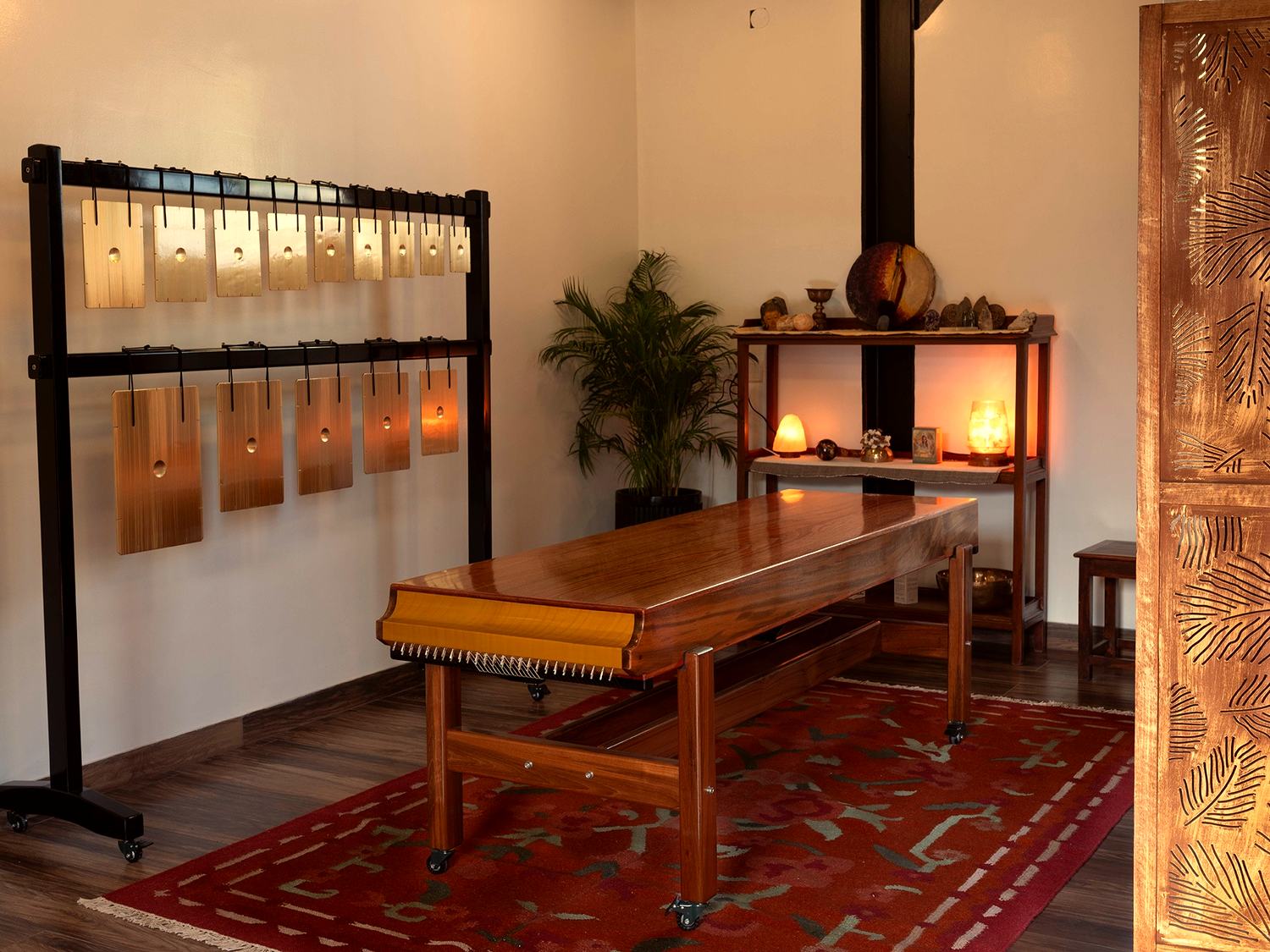
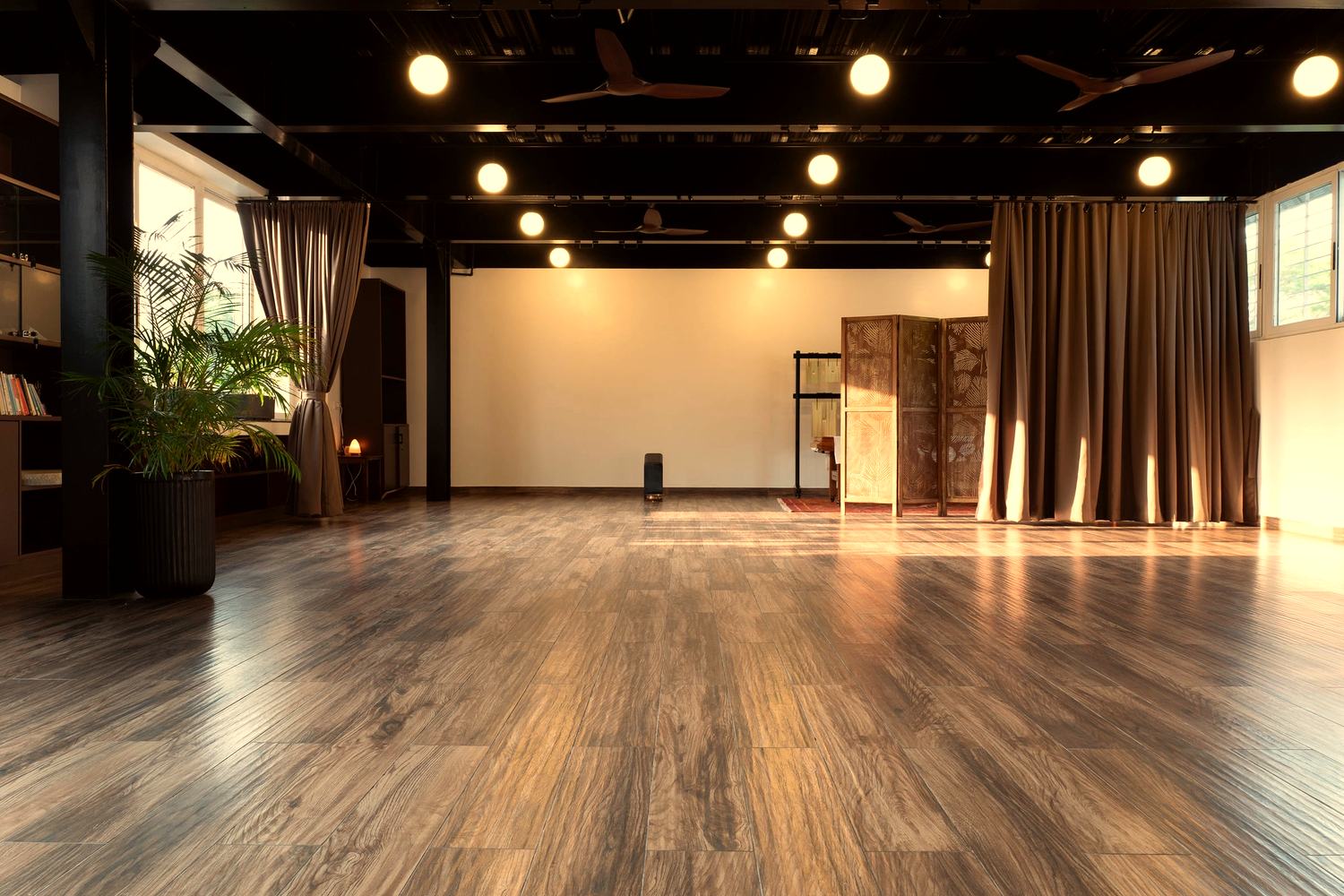
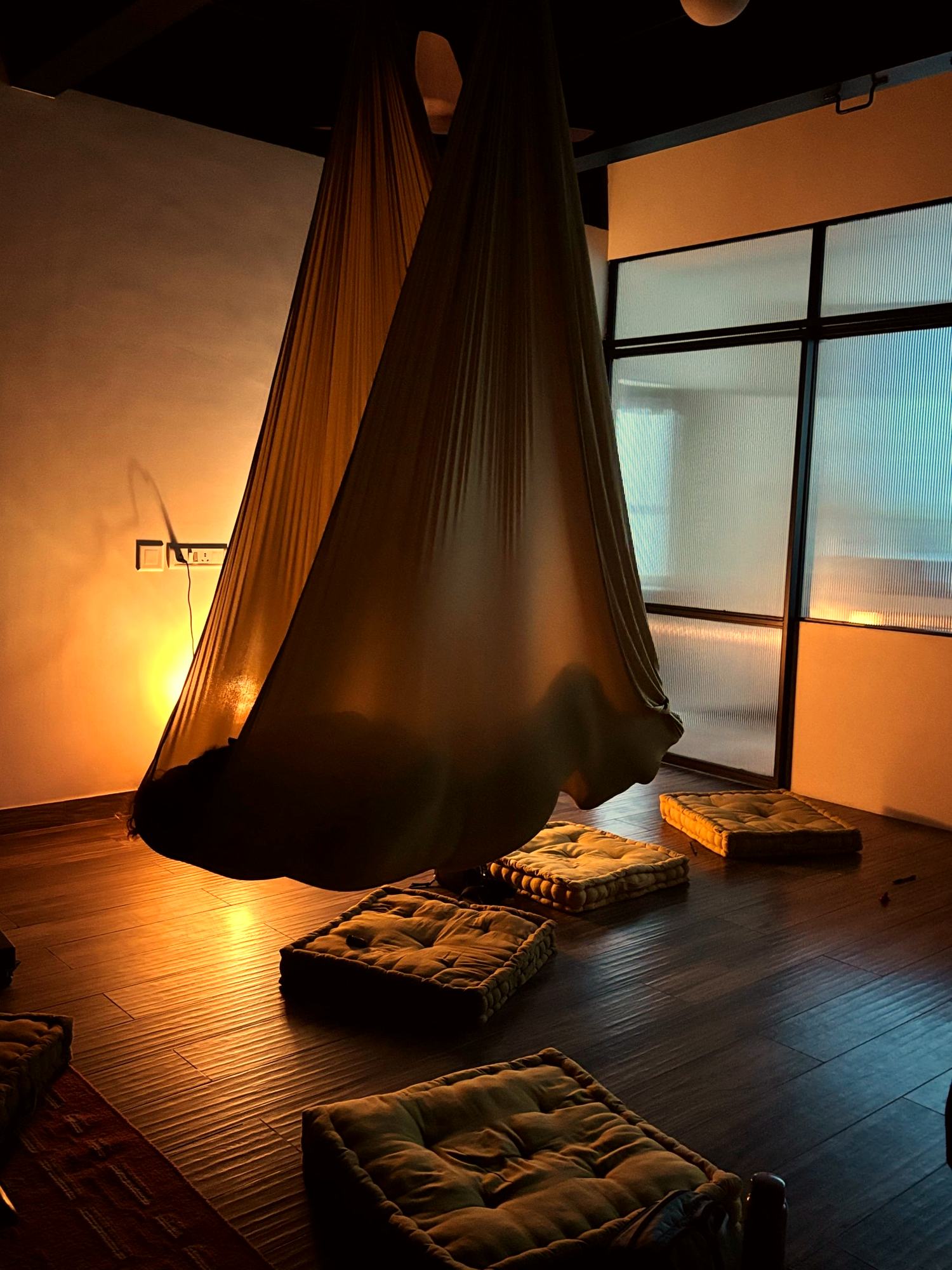
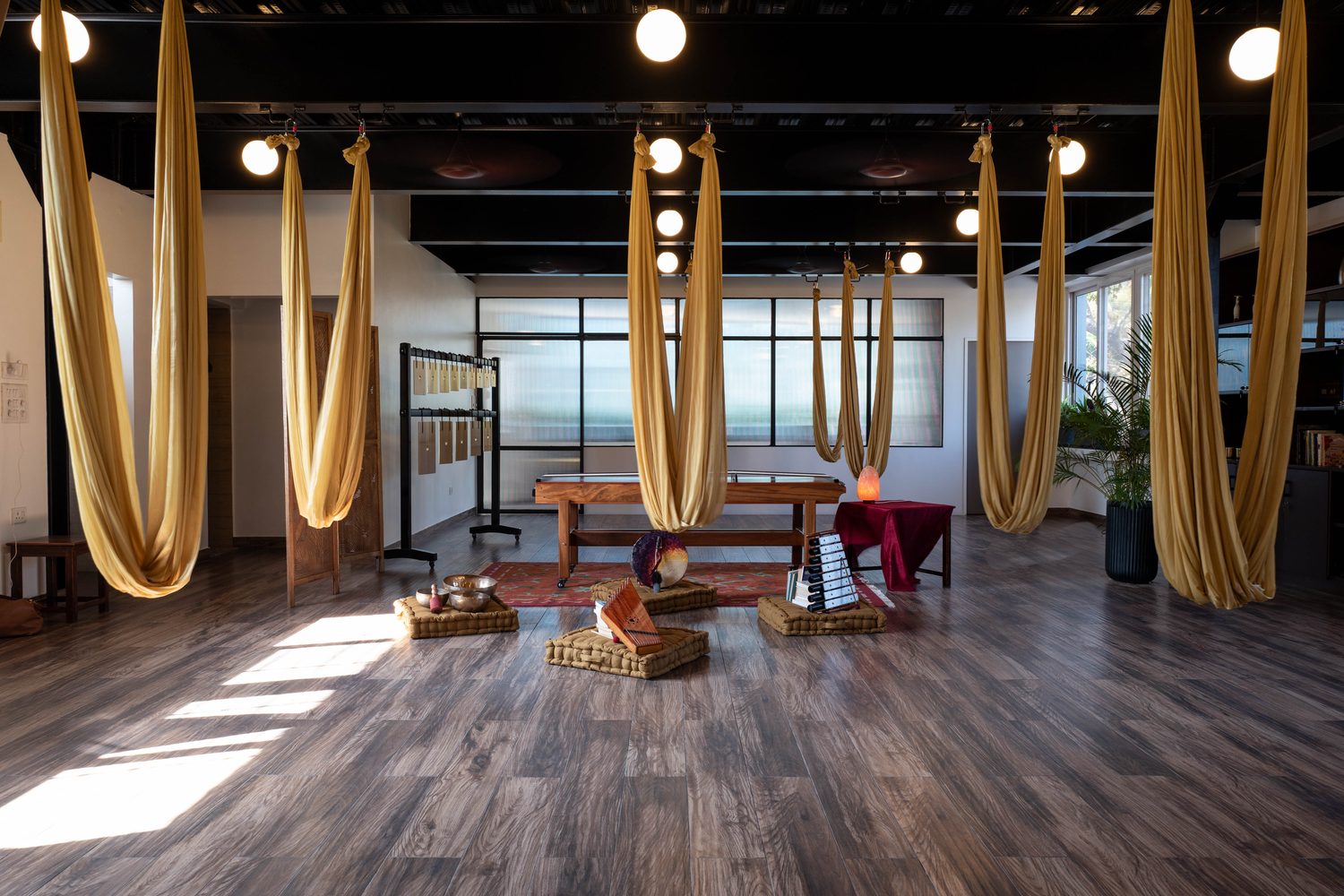
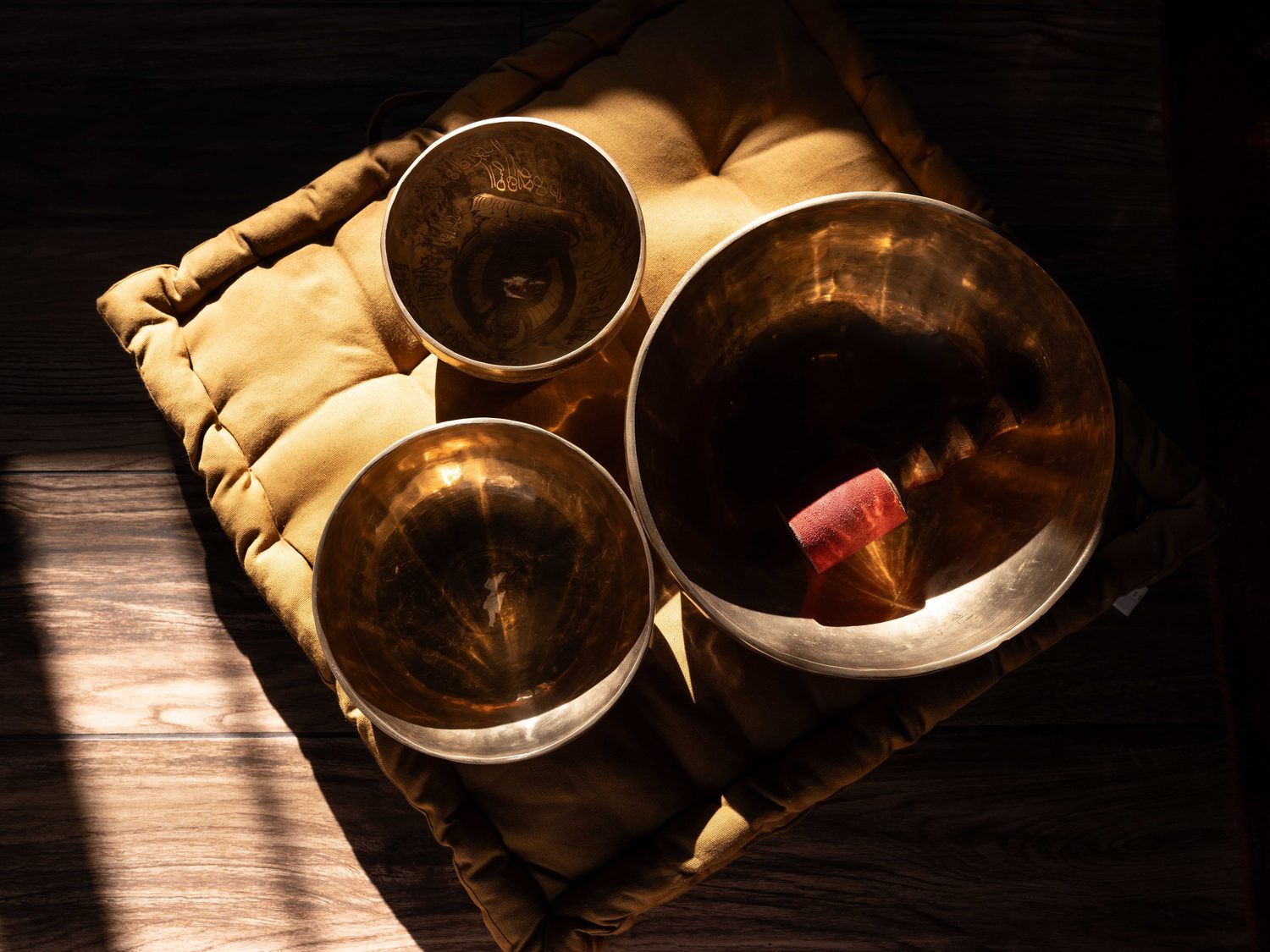
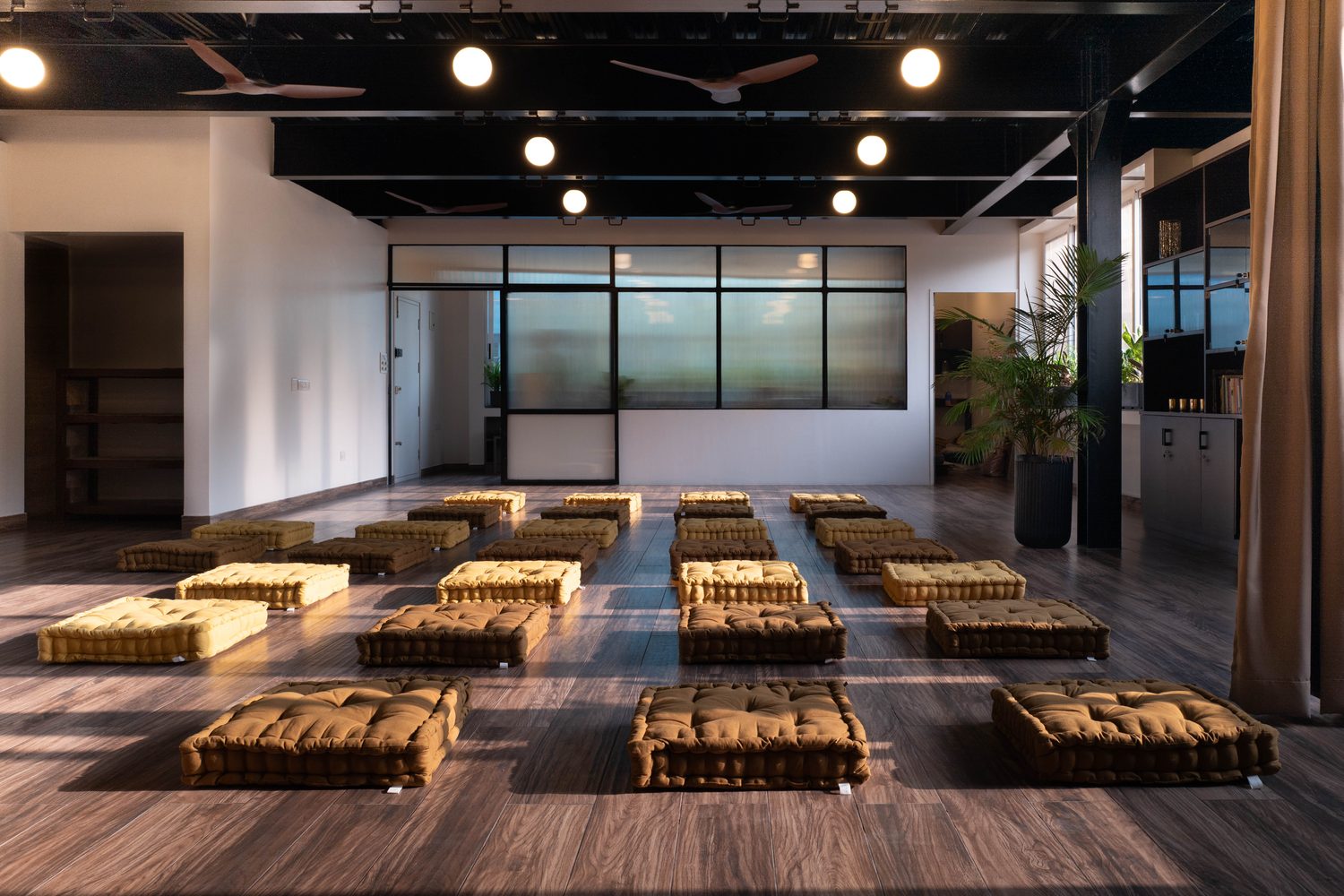
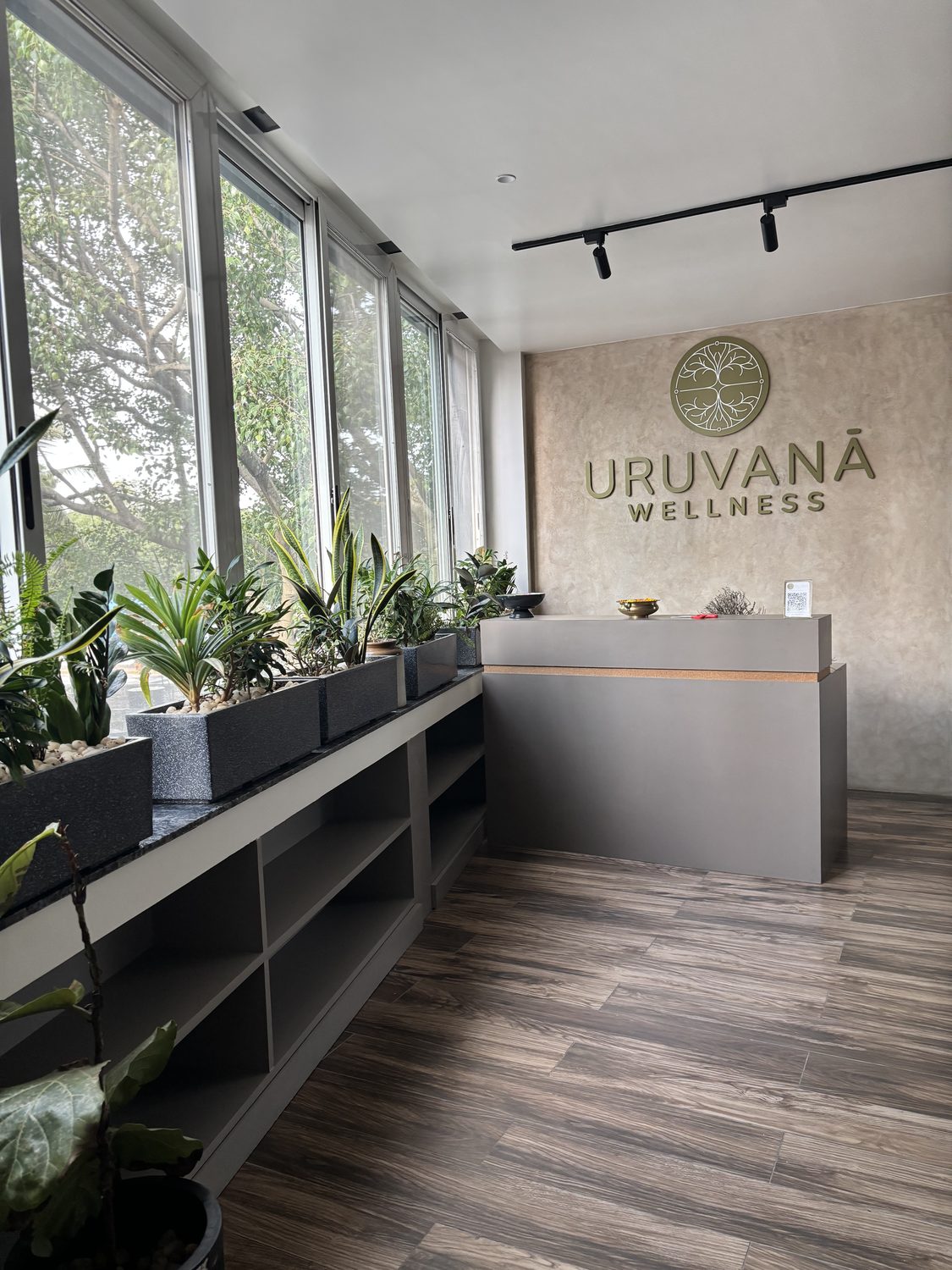
Uruvanā is a two-thousand-square-foot studio in Indiranagar, built for healing work and nothing else — not a café with a room at the back, and not a venue that runs a wedding on Saturday and a circle on Sunday. It holds a permanently installed sound-healing setup, including instruments most schools do not own. Training there means learning on the instruments you will actually use, in a room you can come back to: two practice sessions follow the five days, and there is an internship assisting at live events. The practitioners who run it are there daily, so the people who taught you remain reachable. It is also an authorised Svaram store, so you can keep returning to build your kit instrument by instrument. And the studio was built from nothing in under two years — that experience of setting up a room for sound work is part of what gets passed on.
Those are usually residential, and their fee includes your stay. This is a non-residential training in the middle of Bengaluru, so you sleep at home and keep your week. The larger difference is what happens afterwards: a retreat ends when you check out, whereas this continues with two practice sessions, an internship at live events, and a studio you can return to. If you are travelling in from another city, tell us and we will help with somewhere to stay.
There is no licensing body, so the route is training and then practice. Most practitioners begin with an immersive facilitator training, then build hours holding sessions before charging for them. What separates a working practitioner from someone who has attended a workshop is usually three things: time with real instruments, supervised practice after the training ends, and somewhere to practise. This training is five days at the studio in Indiranagar, followed by two practice sessions on the fortnight weekends, with an internship assisting at live events.
Weekend workshops run from about ₹16,500 to ₹35,000. Residential retreats in Goa, Rishikesh or Palghar range from roughly ₹21,000 to ₹80,000 with stay and meals included. Longer practitioner trainings reach ₹1,50,000. Almost half the field publishes no price at all and routes enquiries to WhatsApp. Our fee is set out in full in the booking details above, and it includes the practice sessions, the internship and ten per cent on any instrument purchase.
It is a slow one to build and a real one once built. Practitioners in Indian metros typically charge between ₹2,000 and ₹5,000 for a group session and more for one-to-one work, and most begin alongside an existing practice in yoga, therapy or music rather than starting from nothing. The people who make it work tend to already hold space for others in some form. If you are starting from no practice and no audience, expect a couple of years, not a couple of months.
Your details are recorded the moment you submit, before any payment is taken.
certificate of participation